



Stop Treating AI as a Project

AI is a layer, not a project
Most conversations about AI in procurement still start as a project: what tool are we buying, what are we piloting, what are we optimizing. I understand why, but what’s most interesting—and my biggest focus—is what AI changes in the work and our daily operations.
That sounds like a small distinction, but in reality it can be a big difference. A project has a start date, an end date, and status updates. An AI layer changes the work underneath everything, including the parts nobody wrote a business case for. Procurement helps the business make better 3rd party investment decisions. Leveraging AI isn’t only about making procurement faster, it can change what the function is capable of doing.
AI will replace certain tactics, but the more interesting question is what procurement professionals do with it inside their roles. How will they build a strategy, partner with a stakeholder who’s got a problem to solve, work with a supplier they need something from? Those are the parts of the job where better information changes the outcome, and they’re also the parts that should stay human.
With 173 years of history, Levi’s has built technology, processes, and infrastructure over many generations of the business, creating both a strong foundation and opportunities to modernize.
None of that makes our procurement challenges unusual. I compare notes with peers constantly and I hear my own challenges described right back to me. The current state isn’t the variable. What we decide to do with AI in the future is.
Where does AI’s value actually land?
I was actually wrong about where I thought the value of AI would show up first. I assumed it would start in procure-to-pay because that is the more transactional, rules-based part of procurement, and would reside there for some time. But for us, we have seen an unlock in the strategic sourcing function.
If you think about what it takes to build a good sourcing strategy, there is generally a lot of information involved. Historically, you could spend a huge amount of time just getting all of that organized before you got to the strategic part of the work. AI compresses that front end for us.
While we are still early in adoption, my team is getting more sophisticated as we go, which opens up doors that weren’t available to us a few months ago. That sophistication is what makes the next step possible. It’s why we’re building out agent infrastructure now—to make more of the work repeatable.
Treating AI as the base layer for our work means we aren’t scoping it for particular workflows. We are constantly evaluating where it made the work better. It turns out AI output isn’t the decision. It’s an input to human judgement.
More tool than strategy
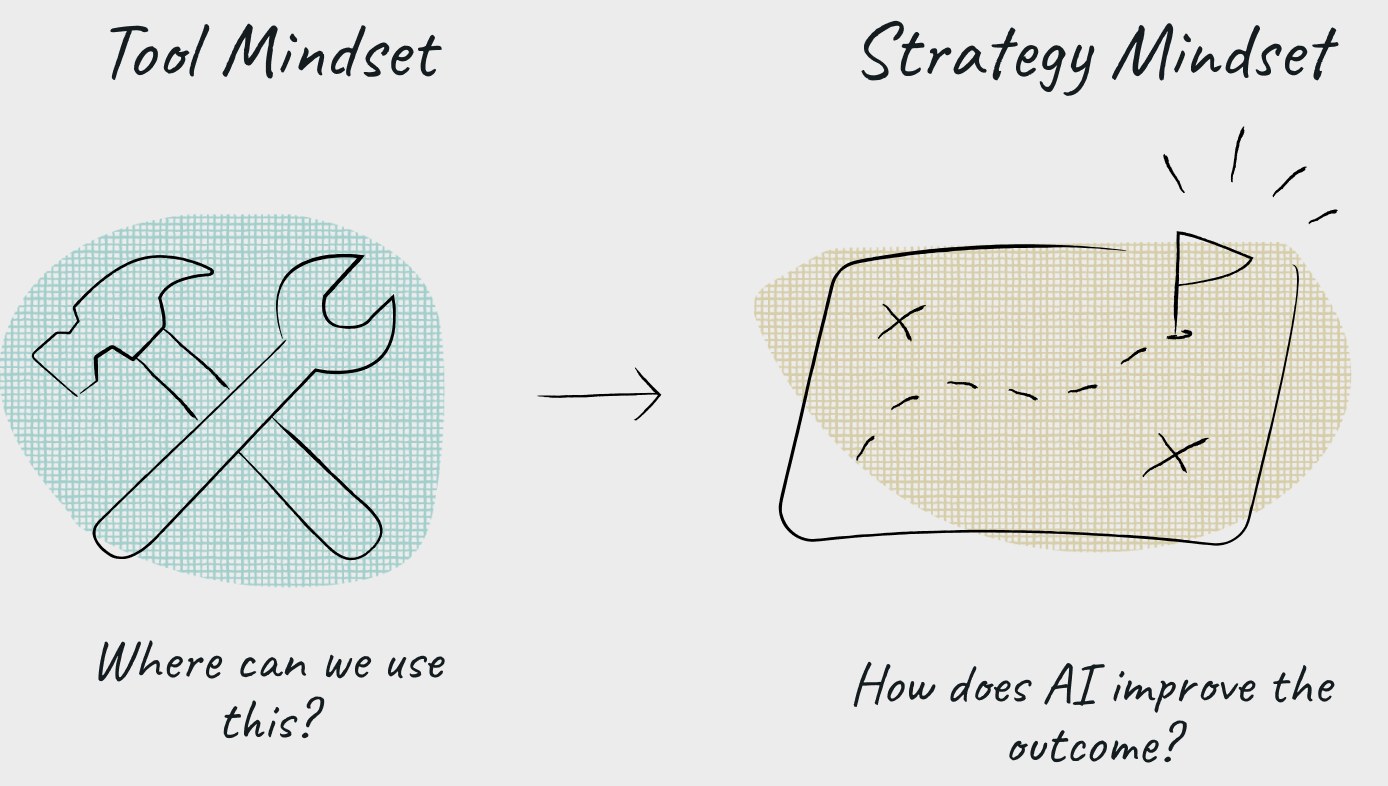
There is a version of this conversation that starts to sound a lot like shopping. Somebody sees a new AI tool and the question immediately becomes, “Where can we use this?” I have been in those conversations. You can create a lot of activity that way without necessarily creating a lot of value.
But the better question is how AI gets embedded in the outcome. When I look at a sourcing strategy, I want to anticipate how the business could benefit from integrating AI.
That reframing is where we’ve seen some of the biggest opportunities. In categories where delivering a truly global solution has historically been complex, AI gives us a new way to connect the pieces and create something more integrated and scalable.
The value is twofold: a better internal experience and simpler processes, alongside meaningful cost benefits.
Keep the negotiation human
I do have a line in the sand. AI can absolutely inform judgment, but I don’t think it should replace accountability.
Negotiation is a good example. I absolutely want AI helping us prepare. It can inform how we go in and help us see what our commercial levers actually are. The human element, the relationships, and the judgment are required to be successful. We will, of course, see changes with AI, likely in specific categories. AI can accelerate the work significantly, and our teams bring the context that turns that speed into better outcomes. We validate the underlying information, challenge the conclusions, and ensure recommendations work across the business, financial, and risk dimensions. That combination of AI and human expertise is what creates the value.
Don’t let savings be the whole job
Savings will always matter, but the opportunity for procurement is broader: creating, protecting, and sustaining value. AI gives us capacity to spend more time upstream, helping the business challenge assumptions, shape demand, evaluate alternatives, and make better investment decisions. Letting AI carry more of the day-to-day tactical work is what creates room to be a strategic, portfolio-focused trusted advisor to the business. That’s easy enough to say, but it’s a hard title to earn.
It takes capacity to become a trusted advisor. Developing the strategy, building the stakeholder relationship, and shaping the supplier partnerships are integral to becoming more than a service.
And yes, I think that changes roles over time. More transactional activity will move toward platforms and agents, building a stronger case for operations-focused roles within procurement, which is a COE we are standing up. The rest of the work gets more portfolio-focused because the day-to-day below it will become more repeatable.
That’s what AI changes, and it’s why I keep calling this a layer instead of a project. The opportunity goes beyond improving the process. A layer allows us to fundamentally expand what the function can do.
